The Ultimate Guide to Delicious and Nutritious Camping Meals

The Ultimate Guide to Delicious and Nutritious Camping Meals

Camping Meals

Camping is a fantastic way to escape the hustle and bustle of daily life, explore nature, and create lasting memories with friends and family. One essential aspect of any camping trip is the food. With the right ingredients, preparation, and equipment, you can create delicious and nutritious meals that will keep you energized throughout your adventure. In this comprehensive guide, we’ll explore various camping meal options, tips for meal planning, essential camping meals cookware, and creative recipes that will satisfy even the pickiest of eaters.

  1. Meal Planning for Camping Trips

Proper meal planning is crucial to ensure you have enough food to last your entire trip and to avoid the hassle of dealing with spoiled ingredients. Consider the following tips when planning your camping meals:

  • Duration of trip: Calculate the number of meals you’ll need based on the length of your trip and the number of people in your group.
  • Dietary preferences and restrictions: Take note of any allergies, dietary preferences, or restrictions of your group members and plan meals accordingly.
  • Cooking methods: Determine which cooking methods you’ll have access to, such as a camp stove, campfire, or portable grill, and choose recipes that suit your available equipment.
  • Meal variety: Plan a mix of breakfast, lunch, dinner, and snack options to keep your meals interesting and diverse.
  • Portability and shelf life: Opt for lightweight, non-perishable ingredients that don’t require refrigeration to save space and minimize spoilage.
  1. Essential Camping Cookware

Having the right cookware can make all the difference when preparing camping meals. Consider packing the following essential items:

  • Camping stove or portable grill: These provide a reliable and controlled heat source for cooking meals.
  • Cookware: A versatile pot and a frying pan are the bare minimum for most camping trips. Lightweight and durable materials, such as aluminum or titanium, are ideal.
  • Utensils: Pack a spatula, tongs, and a serving spoon for cooking, along with reusable plates, bowls, and cutlery for eating.
  • Cutting board and knife: These are necessary for food preparation and can be easily packed in a compact and lightweight design.
  • Cooler or insulated bag: Keep perishable items cold with a high-quality cooler or insulated bag and ice packs.
  • Food storage containers: Reusable containers or zip-top bags can help keep ingredients fresh and organized.
  • Portable coffee maker: For coffee enthusiasts, a portable French press or pour-over coffee maker can help start your mornings off right.
  1. Tips for Preparing Camping Meals

Efficient meal preparation can save time and energy while camping, allowing you to spend more time enjoying nature and less time cooking. Keep these tips in mind:

  • Pre-cook or pre-assemble meals: Whenever possible, cook components of your meals at home and reheat them at the campsite. This can save time, reduce the number of ingredients you need to pack, and make cooking easier in the great outdoors.
  • Plan one-pot meals: These recipes minimize cleanup and are easy to prepare on a camp stove or over a campfire.
  • Use multi-functional ingredients: Opt for versatile ingredients that can be used in various dishes to save space and reduce waste. For example, tortillas can be used for wraps, quesadillas, or even pizza.
  • Opt for no-cook meals: Pre-made sandwiches, wraps, or salads can be an easy and delicious option for lunches or snacks that don’t require any cooking.
  • Practice food safety: Ensure you wash your hands and sanitize your cooking area and utensils to prevent foodborne illnesses.
  1. Breakfast Camping Meal Ideas

Start your day with a delicious and energizing breakfast. Here are some simple and satisfying breakfast ideas for your camping trip:

  • Overnight oats: Combine rolled oats, milk or yogurt, and your choice of sweetener, fruit, and nuts. Store the mixture in a sealed container or jar and let it sit overnight. In the morning, you’ll have a tasty and nutritious breakfast ready to eat.
  • Campfire scrambled eggs: Pre-scramble eggs and store them in a leak-proof container. Cook them in a greased frying pan over a camp stove or campfire, and add your favorite toppings, such as cheese, diced vegetables, or cooked bacon.
  • Pancakes: Prepare pancake batter at home and store it in a squeeze bottle or airtight container. Cook the pancakes on a griddle or frying pan over your heat source and serve with syrup, fresh fruit, or other toppings.
  • Breakfast burritos: Fill tortillas with pre-cooked scrambled eggs, cheese, and your choice of vegetables, beans, or meat. Wrap them in foil and reheat over a campfire or camp stove for a warm and filling breakfast.
  • Granola and yogurt: Pack your favorite granola and a tub of yogurt for a quick and easy breakfast. Top with fresh fruit or nuts for added flavor and nutrition.
  1. Lunch Camping Meal Ideas

Lunch is an important meal to keep your energy levels up during your outdoor adventures. Here are some tasty and convenient lunch options:

  • Wraps or sandwiches: Pre-make wraps or sandwiches using non-perishable ingredients like canned tuna, peanut butter and jelly, or cured meats and hard cheeses. Pack them in a cooler or insulated bag to keep them fresh.
  • Pasta salad: Cook pasta at home and mix with chopped vegetables, olives, and canned beans or chicken. Toss with your favorite dressing and store in a sealed container. Enjoy this cold meal for a refreshing and satisfying lunch.
  • Grain bowls: Prepare a base of quinoa, couscous, or rice and top with your choice of vegetables, protein, and dressing. These bowls can be eaten cold or heated over a camp stove.
  • Hummus and veggie sticks: Pack a tub of hummus and a variety of veggie sticks, such as carrots, celery, or bell peppers, for a healthy and easy-to-eat lunch option.
  • Cheese and charcuterie board: Assemble a selection of hard cheeses, cured meats, crackers, and fruit for a simple and elegant outdoor lunch.
  1. Dinner Camping Meal Ideas

End your day with a comforting and hearty dinner. Here are some ideas for delicious and filling camping dinners:

  • One-pot chili: Cook ground beef or turkey, canned beans, tomatoes, and spices in a large pot over a camp stove or campfire. Serve with cornbread or crackers for a warm and satisfying meal.
  • Foil packet meals: Assemble individual portions of meat, vegetables, and seasonings in heavy-duty aluminum foil packets. Cook the packets on a grill or campfire for an easy and customizable dinner option.
  • Campfire pizza: Spread pizza sauce on a pre-made pizza crust or large tortilla. Add your favorite toppings and cheese, then cook the pizza on a grill or campfire until the cheese is melted and the crust is crispy.
  • Grilled kebabs: Skewer marinated meat and vegetables on wooden or metal skewers and cook on a portable grill or campfire. Serve with rice, couscous, or pita bread for a complete meal.
  • Tacos or fajitas: Cook seasoned meat and vegetables in a frying pan over your heat source. Serve with warm tortillas, cheese, and your favorite toppings for a build-your-own taco or fajita night.
  1. Snack and Dessert Camping Meal Ideas

Don’t forget to pack snacks and sweet treats to keep you satisfied between meals or to indulge in around the campfire. Here are some ideas for camping snacks and desserts:

  • Trail mix: Create your own blend of nuts, dried fruit, seeds, and chocolate or candy pieces for an energy-boosting snack.
  • Fresh fruit: Pack sturdy fruits like apples, oranges, or bananas for a refreshing and healthy snack option.
  • Energy bars or protein bars: These can provide a quick and convenient source of fuel during hikes or other outdoor activities.
  • S’mores: A classic camping dessert, roast marshmallows over a campfire and sandwich them between graham crackers with a piece of chocolate for a gooey and delicious treat.
  • Campfire-baked apples: Core apples and fill them with a mixture of brown sugar, cinnamon, and butter. Wrap the apples in foil and cook them over a campfire or on a grill until they’re tender and caramelized.
  1. Tips for Reducing Waste and Practicing Eco-friendly Camping

As you enjoy your camping meals, keep in mind the importance of minimizing your impact on the environment. Follow these tips to reduce waste and practice eco-friendly camping:

  • Pack reusable utensils, plates, and cups to minimize single-use items.
  • Use biodegradable or environmentally-friendly dish soap for cleaning your cookware and utensils.
  • Dispose of food scraps and trash responsibly, following the “leave no trace” principles.
  • Choose eco-friendly packaging and minimize the use of plastic bags and wrappers.
  • Plan your meals to minimize food waste and pack only what you need.

Conclusion

With proper planning and preparation, you can enjoy delicious and nutritious meals during your camping trip that will fuel your adventures and create lasting memories. By selecting versatile ingredients, packing essential cookware, and exploring creative recipes, you can elevate your outdoor dining experience and make the most of your time in nature. Remember to practice eco-friendly habits and leave no trace, ensuring the preservation of our beautiful outdoor spaces for future generations to enjoy.

  1. Camp Cooking Techniques and Tips

Mastering a few basic camp cooking techniques can make your outdoor culinary experience more enjoyable and efficient. Here are some helpful tips:

  • Preheat your cookware: Allow your pots and pans to heat up before adding food to ensure even cooking and to prevent sticking.
  • Use a windscreen: A windscreen can help protect your camp stove or portable grill from the wind, making cooking more efficient and consistent.
  • Adjust heat levels: Learn to control the heat of your camp stove or campfire to prevent burning or undercooking your food. Practice adjusting the flame on your camp stove or moving your cookware closer or further away from the campfire.
  • Cook with a lid: Using a lid on your pots and pans can help retain heat, cook food faster, and reduce fuel consumption.
  • Use a food thermometer: Ensure your food is cooked to a safe temperature by using a food thermometer, especially when cooking meat.
  1. Creative Campfire Cooking Ideas

Experimenting with different campfire cooking methods can add variety and fun to your camping meals. Here are some ideas to try:

  • Dutch oven cooking: A cast-iron Dutch oven can be used for baking, simmering, or roasting over a campfire. Try making campfire stews, casseroles, or even desserts like cobblers and cakes.
  • Skillet meals: A cast-iron skillet is a versatile piece of cookware that can be used for frying, sautéing, and baking over a campfire. Experiment with skillet recipes like frittatas, stir-fries, or hash browns.
  • Campfire popcorn: Place popcorn kernels and oil in a heavy-duty aluminum foil pouch, seal tightly, and shake over a campfire until the popcorn is fully popped.
  • Stick cooking: Skewer hot dogs, sausages, or marshmallows on long sticks or metal skewers and roast them over an open campfire for a fun and interactive cooking experience.
  • Campfire foil packets: As mentioned earlier, foil packet meals are a versatile and convenient campfire cooking option. Try new combinations of ingredients and seasonings for endless meal possibilities.
  1. Campfire Safety Tips

When cooking over a campfire, it’s essential to prioritize safety to prevent accidents or damage to the environment. Follow these campfire safety tips:

  • Choose a designated fire pit or fire ring if available, or create a fire-safe area by clearing away flammable materials and surrounding the area with rocks.
  • Keep a bucket of water or a fire extinguisher nearby in case of emergencies.
  • Never leave your campfire unattended and always fully extinguish the fire before leaving the site or going to sleep.
  • Avoid using lighter fluid or other flammable liquids to start your campfire. Instead, use kindling, fire starters, or a firestarter stick.
  • Teach children about fire safety and supervise them closely around the campfire.

By incorporating these tips and ideas into your camping trip, you’ll be well on your way to creating memorable and delicious outdoor dining experiences. Enjoy the process of planning, preparing, and savoring your camping meals while connecting with nature and the people around you. Remember to practice eco-friendly habits and campfire safety to ensure a positive and sustainable camping experience for all. Happy camping and bon appétit!

Ford Ambulance Conversion 4.3 Diesel Tiny Home Brake Lights Rewire after harness removal

Ford Ambulance Conversion 4.3 Diesel Tiny Home Brake Lights Rewire after harness removal

My Experience with RV and Ambulance Conversion: Wiring Driving Lights and Making Modifications

As someone who has embarked on an RV and ambulance conversion journey, I can tell you that it’s an exciting and rewarding process. I’ve had to tackle various tasks, such as wiring driving lights and making modifications to my plans. In this article, I’ll share my experience hooking up driving lights, modifying plans, and running wire in my ambulance and RV conversion project.

  1. Reconnecting Driving Lights in My Ambulance Conversion

One thing I had to deal with during my conversion was reconnecting the driving lights to ensure proper visibility and safety on the road. Here’s how I managed to hook up the driving lights in my ambulance conversion:

A. First, I found the wiring harness for the driving lights and identified the power and ground wires. In my case, the power wire was red, and the ground wire was black. I checked my vehicle’s wiring diagram to confirm the wire colors. B. Next, I connected the power wire to the corresponding terminal on the driving light and secured it with a suitable connector. C. I then attached the ground wire to my vehicle’s chassis, ensuring a secure connection. D. Finally, I tested the driving lights to make sure they were functioning correctly.

  1. Modifying Plans and Removing Paneling in My Ambulance Conversion

During my conversion, I realized I needed to make some changes to my original plans, like removing or adjusting paneling. Here’s how I went about this process:

A. I assessed the existing layout and pinpointed areas that needed modification. B. I carefully removed the paneling, taking care not to damage any surrounding structures or wiring. C. I reconfigured the layout based on my revised plans, focusing on optimal space utilization and functionality. D. I reinstalled or replaced the paneling as necessary, securing it with the appropriate fasteners and adhesive.

  1. Removing Light Bars in My Ambulance Conversion

Since light bars on an ambulance aren’t necessary for RV use, I decided to remove them. This task proved to be somewhat challenging, but with patience and the right tools, I successfully removed both light bars.

  1. Running Wire for Electrical Modifications in My Ambulance Conversion

As I made modifications to my ambulance conversion, I needed to run additional wiring for new electrical components and reconfigure existing systems. When running wire, I followed these tips:

A. I planned my wiring routes carefully to minimize the risk of damage or tangling. B. I used the correct gauge and type of wire for each component, as specified in my vehicle’s wiring diagram and the component’s documentation. C. I secured the wiring using cable ties, clips, or conduit to protect it from damage and maintain a neat appearance. D. I tested all new electrical connections and components to ensure proper functioning and safety.
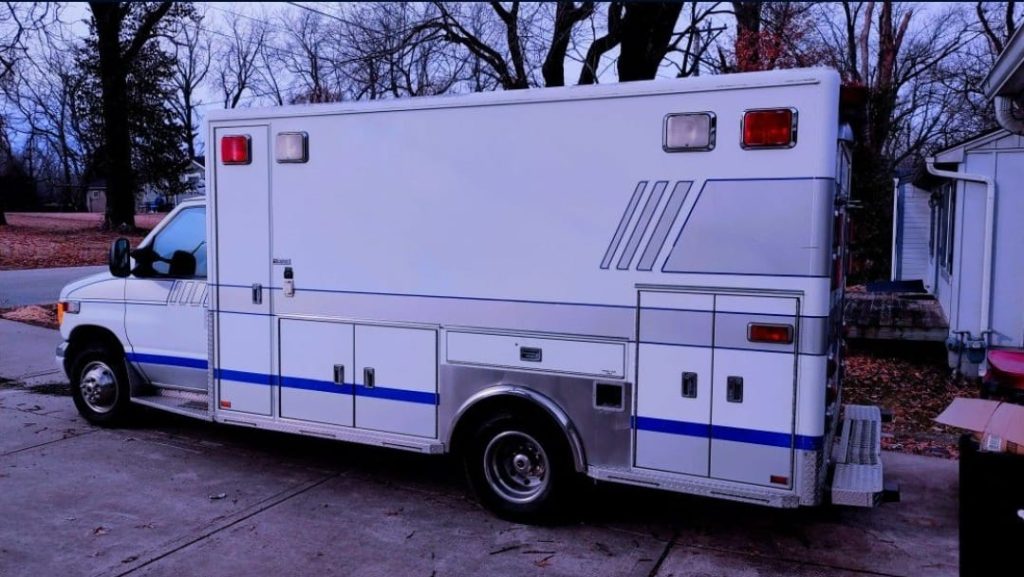
Ambulance Conversion

Conclusion

In my ambulance and RV conversion journey, hooking up driving lights, making modifications to plans, and running wire were essential steps. By taking the time to carefully plan and execute these tasks, I created a safe, functional, and comfortable mobile living space. If you’re ever unsure about any aspect of the wiring process, I recommend consulting your vehicle’s owner’s manual, wiring diagram, or a professional mechanic.

A Quick Guide to Brake Lights Wiring

Brake lights are an essential safety feature on every vehicle, alerting other drivers when you’re slowing down or stopping. Proper brake lights wiring is crucial to ensure their correct functioning. This article will provide a brief guide on brake lights wiring, helping you to understand the process and maintain your vehicle’s safety features.

  1. Understanding the Brake Light Circuit

The brake light circuit comprises a power source (the battery), a brake light switch, wiring, and the brake light bulbs. When you press the brake pedal, the brake light switch gets activated, closing the circuit and allowing the current to flow through the wiring and illuminate the brake lights.

  1. Locating the Brake Light Switch

The brake light switch is typically located near the top of the brake pedal arm. To access it, you may need to remove a panel or cover under the dashboard. The switch will have two or more wires connected to it, which may vary in color depending on your vehicle’s make and model.

  1. Identifying the Brake Light Wiring

The brake light wiring usually comprises two wires: a power wire and a ground wire. The power wire carries the current from the battery to the brake lights when the switch is activated. The ground wire, on the other hand, provides a return path for the current, completing the circuit.

In most vehicles, the power wire is colored red or green, while the ground wire is black or brown. However, it’s always best to consult your vehicle’s wiring diagram or owner’s manual to confirm the specific wire colors.

  1. Troubleshooting Brake Light Wiring Issues

If your brake lights aren’t working, there could be a problem with the wiring. Here are some steps to troubleshoot brake light wiring issues:

A. Inspect the brake light switch for any signs of damage, corrosion, or loose connections. If needed, replace the switch. B. Use a multimeter to test the power and ground wires for continuity. If there’s no continuity, the wires may be damaged and need replacement. C. Check the brake light bulbs and replace them if they’re burnt out or damaged. D. Examine the wiring connections at the brake light housing and ensure they’re secure and free of corrosion.

  1. Tips for Proper Brake Light Wiring

To ensure the correct functioning of your brake lights, follow these tips:

A. Use the correct gauge and type of wire for your brake light circuit, as specified in your vehicle’s wiring diagram. B. Secure the wiring using cable ties or clips to prevent it from getting damaged or tangled. C. Regularly inspect your brake light wiring for signs of wear, damage, or corrosion, and address any issues promptly. D. Consider consulting a professional mechanic or electrician if you’re unsure about any aspect of brake light wiring.

Conclusion

Proper brake lights wiring is essential for ensuring your vehicle’s safety on the road. By understanding the brake light circuit, identifying the wiring, and troubleshooting any issues, you can keep your brake lights functioning correctly and maintain your vehicle’s safety features. Always consult your vehicle’s owner’s manual or a professional mechanic if you’re unsure about any aspect of brake light wiring.

Contact me if you have any questions on our contact page

WORKING ON THE WALLS

WORKING ON THE WALLS

So in my search for all covering, I found a panel design I liked; I wanted that old-ship look. I was checking Lowes, and they had a plan for Cabin Creek; I loved it. The best part is that it’s usually $36 for each 4×8 sheet, but it was discounted to $14. So I snagged up enough to get the job done with some.

WORKING ON THE WALLS
Dispay image for Cabin Creek Panels

I got started tonight finishing insulation on the walls and started paneling, and I love the look im getting. I got two panels up using self-tapping screws into the aluminum studs. I plan to paint the screw heads a dark brown to cover the shiny screw heads. I left gaps in the corners for cable runs, and cabinets will cover most of the area around the top. I’m still debating on trim.

WORKING ON THE WALLS

I need to add extra wire to the lights so I can wire them in later, so I will tackle that tomorrow. I move, I cover the happier I get. I’ll show more progress tomorrow. I want to get this done before it gets cold again.

WORKING ON THE WALLS

Contact me if you have any questions on our contact page

WIRE HARNESS AND DEMOLITION DONE

WIRE HARNESS AND DEMOLITION DONE

After 2 days, and and some cold weather, I got the bench seat out and wire harness fully removed. Thats a lot of wire, I pulled everthing out so I can run clean easy to access wire. The bench proved to be a pain in the butt, but after some hookah and a little help from FB group I got it done.

The Bench

So I desided to build a murphy be in place of the bench seat. So that calls for removing the bench completely as I was to put a Full size bed. The bed when stowed will have benchs and table that fold out. so the area is used in. It can be a bed, dining set, work table, or open area.

WIRE HARNESS AND DEMOLITION DONE
rough drawing idea

Removing the bench was rough, I found it was screwed down, bolted down, glued down and pinned down by a met bracket for the seat belts, so once un screwed, and bolted, I had to pry up with a crow bar enough to get the glue free, and pry away from the wall to push out. When the bench was out I could unbold the bracked for the belts. I did have to grind out the 3 bold on the bench on the front as they were rusted.

The Wire all the Wires

So this was fun for me, I like cutting out all the wires, and finding all the little hidden areas. I think I pulled over 150lbs of wire out. Doing this killed the Brake and blinkers in the rear. This will be the first thing I rewire.

WIRE HARNESS AND DEMOLITION DONE

The Build begins

I popped over to lowes to get some 2in foam insulation for the walls. The 2 sheets I got, did 1.5 od the sides and the front. After using the 2 foam boards I made another trip to Lowes. I got a couple bundles of 2×2 lumber and screws. When I got back I started to fram up the kitchen side. That went pretty quick.

WIRE HARNESS AND DEMOLITION DONE

So after a full day I got a lot done and looking forward to getting farther along. The build out should be quick, The wiring and electrical setup is gonna take some time since im on a tight budget.

WIRE HARNESS AND DEMOLITION DONE

Contact me if you have any questions on our contact page

Used Ambulances For Sale

02 FORD E450 DIESEL 7.3 HORTON AMBULANCE CAMPER TINY HOME CONVERSION PROJECT WALK THROUGH

I found this on OfferUp, a 2002 Ford E450 Diesel 7.3 Horton Ambulance. Plans are a full off-grid camper tiny home Conversion. I used to do these 70s-era Volkswagen Camper busses; those have gotten way out of control on prices. So following on my list was a meat wagon; I have always wanted to do one, and this will be fun. I do all the work myself.

Whats the plan?

I plan to gut out everything I down need or use. I am staring at the bench seat and wire harness. I want to start cleaning with the wiring and run everything. I will make it easy to access, repair, and modify as needed. The electrical system will be 12 volts, mainly with a very limited 110v.

I’m configuring a solar system to run 800w to 1200w of panels. These will charge 200-300AH of batteries. In addition, I have a 2000w inverter that will be on a limited switch for rare occasions.

The kitchen will have a Stove and oven, as I like to bake some. A small sink with running water may be hot and cold. I want a Camplux 2.64 GPM Tankless Propane Water Heater, not Camplux 2.64 GPM Tankless Propane Water Heater and not a tank.

Plans for the bus are for a complete conversion. It will have lots of Solar, composting toilets, a shower, a full kitchen, a full-size bed, and a work desk. I’m rewiring the box altogether. I do this on a limited budget and use lots of used stuff when possible. I’m a thrift store and yard sale hunter, so I don’t mind used stuff and can fix most anything.

The Ford chassis is a little rusty but not horrible. I can remove the box and swap it if need be. I wanted the large Horton box. I wish it were complete but hey, It’s a project.

Contact me if you have any questions on our contact page